

Understanding your dog's unique double coat
You might notice that your American Eskimo's coat feels different from other breeds you've encountered. That's because they possess a remarkable double coat system consisting of a dense, soft undercoat beneath longer guard hairs. This coat grows thicker around the neck, chest, hind legs, and tail, creating the distinctive ruff and plume that makes the breed so recognisable.
The coat's straight texture and natural oils serve important purposes beyond appearance. These oils repel water and dirt, which explains why your dog might emerge from a muddy walk looking surprisingly clean. This natural protection system also means less frequent bathing compared to other breeds.
Essential brushing techniques and frequency
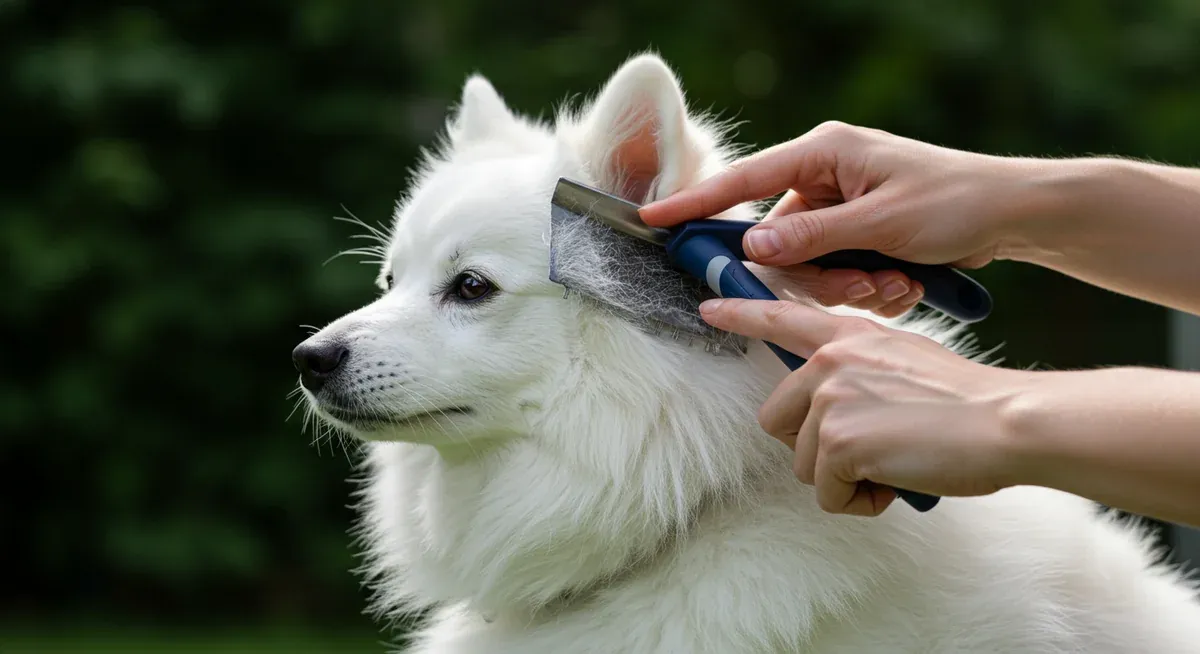
Many American Eskimo owners wonder how often they should brush their dog's coat. Research shows that brushing 2-3 times per week prevents most matting issues while maintaining coat health. The key lies in using the right combination of tools and techniques.
Start with a slicker brush to remove tangles and dead hair from the outer coat. Use gentle strokes, focusing on the hair rather than pressing into the skin. Follow up with a metal rake or undercoat rake, which effectively reaches through to the dense undercoat where loose fur accumulates. For puppies, a soft slicker brush works best, while adults benefit from medium-strength brushes.
Pay particular attention to problem areas where mats commonly develop. Behind the ears, around the neck ruff, the legs, and behind the tail require extra care during each brushing session. These areas experience more friction and movement, making them prone to tangling.
The critical importance of avoiding shaving
When summer temperatures rise, you might consider shaving your American Eskimo to help them stay cool. However, this approach can cause serious long-term problems. The double coat functions as a sophisticated temperature regulation system, providing insulation against both heat and cold.
Shaving disrupts this natural system and can damage hair follicles permanently. Once shaved, the coat may never grow back with the same texture or protective qualities. Instead of cooling your dog, removing the coat actually interferes with their ability to regulate body temperature effectively.
For dogs living in warmer climates, the coat naturally adapts through seasonal shedding patterns. Regular brushing helps remove excess undercoat during these periods, supporting the natural cooling process without compromising the coat's integrity.
Strategic trimming for comfort and health
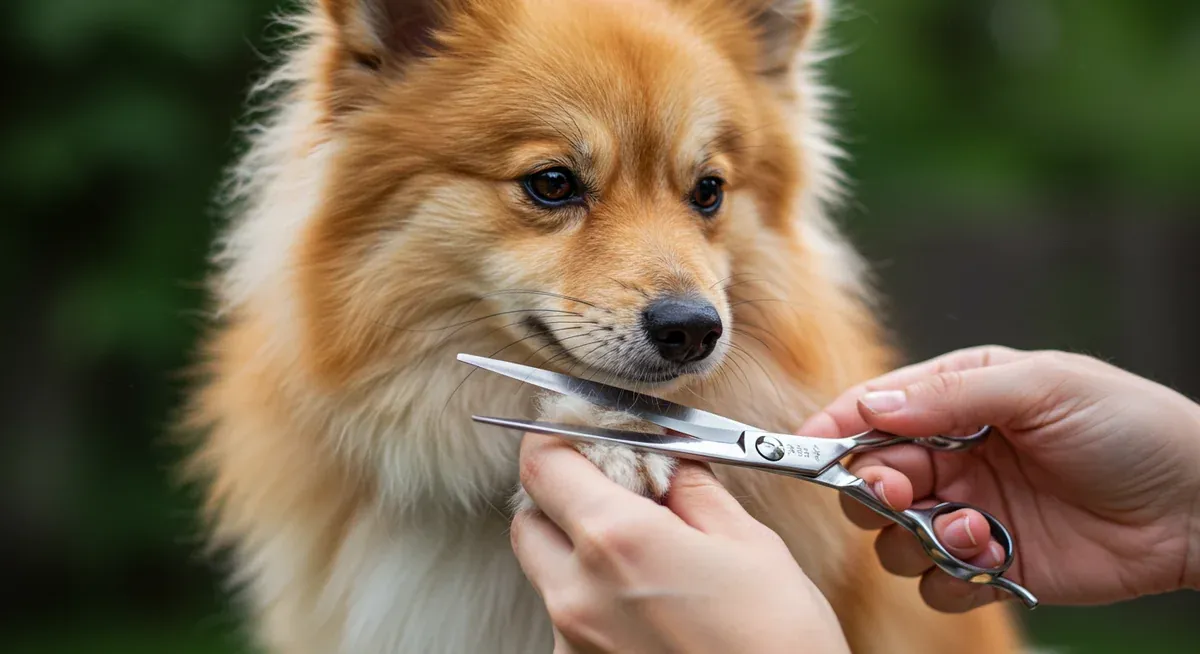
While avoiding full shaving, selective trimming in specific areas can improve your dog's comfort and mobility. Focus trimming efforts on the feet, where hair between paw pads can collect debris and cause discomfort. Light trimming around the face and ears improves visibility and reduces eye irritation.
The rear area also benefits from careful trimming for hygiene purposes. These targeted approaches maintain the coat's protective function while addressing practical concerns. For show dogs, trimming typically remains limited to feet and rump areas to preserve the breed's characteristic appearance.
When trimming, use quality pet grooming clippers and work slowly to avoid accidentally cutting into the main coat. If you're uncertain about technique, professional groomers can demonstrate proper methods during your first few visits.
Bathing guidelines and coat maintenance
The naturally oily coat of these dogs requires a different bathing approach than many other breeds. Rather than following a strict schedule, bathe your dog as needed based on actual dirt accumulation or odour. Over-bathing strips the natural oils that provide water and dirt repulsion.
When you do bathe, the process helps stimulate healthy hair growth and removes accumulated debris that brushing might miss. Use lukewarm water and dog-specific shampoos that won't overly strip the coat's natural oils. Thorough rinsing prevents residue buildup that can cause skin irritation.
After bathing, expect increased shedding for several days as loose undercoat releases. This is normal and temporary, though it reinforces the importance of regular brushing to manage loose hair.
Recommended tools and products
Investing in quality grooming tools makes the maintenance process more effective and enjoyable for both you and your dog. A medium-strength slicker brush, such as the Hertzko Self-Cleaning Slicker Brush, handles the outer coat effectively while remaining gentle on the skin.
For undercoat management, tools like the Safari Undercoat Rake penetrate through to the dense lower layer where most loose fur accumulates. These rakes feature specially designed teeth that catch loose undercoat without damaging the guard hairs above.
Grooming tool costs typically range from $15-50 per brush or rake. While this represents a moderate investment, quality tools last for years and make regular maintenance significantly easier. Professional grooming sessions, when needed, generally cost $40-90 depending on location and services required.
Starting early and recognising problems
Puppies benefit enormously from early grooming habituation. Start gentle brushing sessions when your puppy first arrives home, keeping initial sessions short and positive. Include nail trimming and ear checks in these early experiences to build comfort with handling.
Watch for signs that indicate professional help is needed. Severe matting, skin redness, persistent odours, or excessive scratching beyond normal seasonal patterns warrant veterinary evaluation. Sometimes these symptoms indicate underlying skin conditions that require medical treatment rather than just grooming adjustments.
Persistent shedding outside normal seasonal patterns, or significant changes in coat texture or growth, also deserve professional attention. Early intervention prevents minor issues from developing into serious problems that affect your dog's comfort and health.


