

Is your beloved dog experiencing frequent tummy troubles, inconsistent bowel movements, or unexplained digestive issues? These could be signs of Irritable Bowel Syndrome (IBS), a common yet often overlooked condition affecting many dogs. While occasional digestive upsets are normal, chronic symptoms can significantly impact your dog's quality of life, leading to discomfort, reduced appetite, and even behavioural changes.
Understanding Dog IBS
IBS in dogs is a gastrointestinal disorder characterised by recurring or chronic symptoms such as diarrhoea, constipation, and abdominal discomfort. You might notice your dog stretching frequently, adopting unusual postures, or showing reluctance to exercise. If left unmanaged, these symptoms can worsen over time, potentially leading to nutritional deficiencies and a decline in overall wellbeing.
The good news is that probiotics have emerged as a promising way to help dogs with sensitive stomachs manage these challenging symptoms. These beneficial microorganisms work naturally with your dog's digestive system to restore balance and support better gut health.
How Probiotics Work for Dogs with IBS
Probiotics act as tiny allies in your dog’s digestive system, helping to improve your dog's poop quality and overall gut function. They strengthen the intestinal barrier, reduce inflammation, and compete with harmful bacteria—key actions that support dogs with IBS by promoting a balanced gut microbiome.
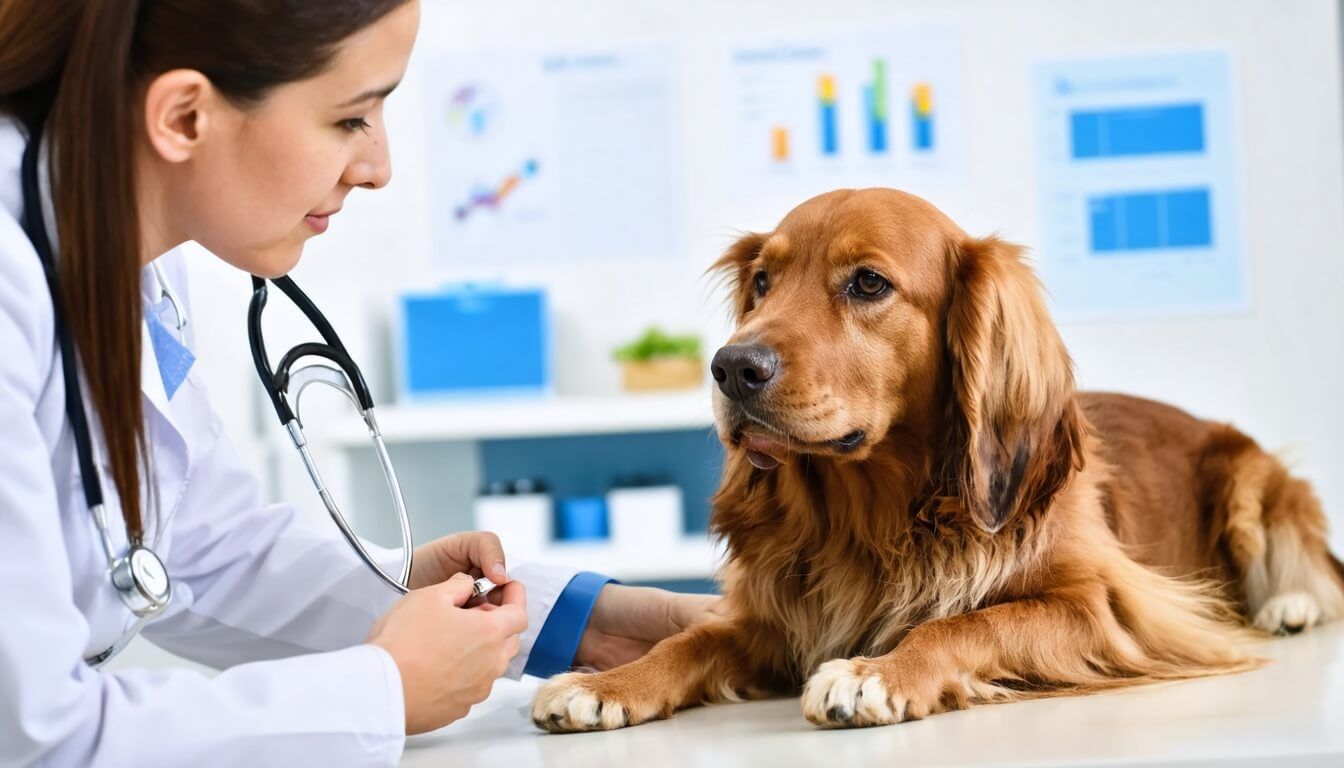
Key Benefits of Probiotics for IBS Management:
Inflammation Reduction
Probiotics help calm the inflammatory response often associated with IBS, offering relief from symptoms like bloating and discomfort. This anti-inflammatory effect is essential for long-term gut health. For more details, see this PetMD guide on IBS in dogs.
Improved Nutrient Absorption
When your dog’s digestive system is functioning well, they can absorb essential nutrients more efficiently. Probiotics support this by enhancing the gut’s ability to break down and utilise nutrients, which is especially important for dogs with IBS.
Enhanced Immune Function
A large portion of your dog’s immune system resides in their gut. Probiotics help strengthen this natural defence system, contributing to your dog’s overall health—not just their digestion.
Choosing the Right Probiotics
Not all probiotics are created equal. Choosing the right strains is crucial for effective IBS management. The most beneficial strains for dogs include Lactobacillus acidophilus, Bifidobacterium animalis, Enterococcus faecium, Saccharomyces boulardii, and Bacillus subtilis/velezensis. These strains have shown promising results in supporting gut health and providing a natural fix for dog diarrhoea and other IBS symptoms.
When selecting a probiotic supplement, opt for products specifically formulated for dogs and containing these clinically supported strains. Quality is key—choose reputable brands that ensure the viability of their probiotics through proper storage and handling. For more scientific insights, visit this ISAPP article.
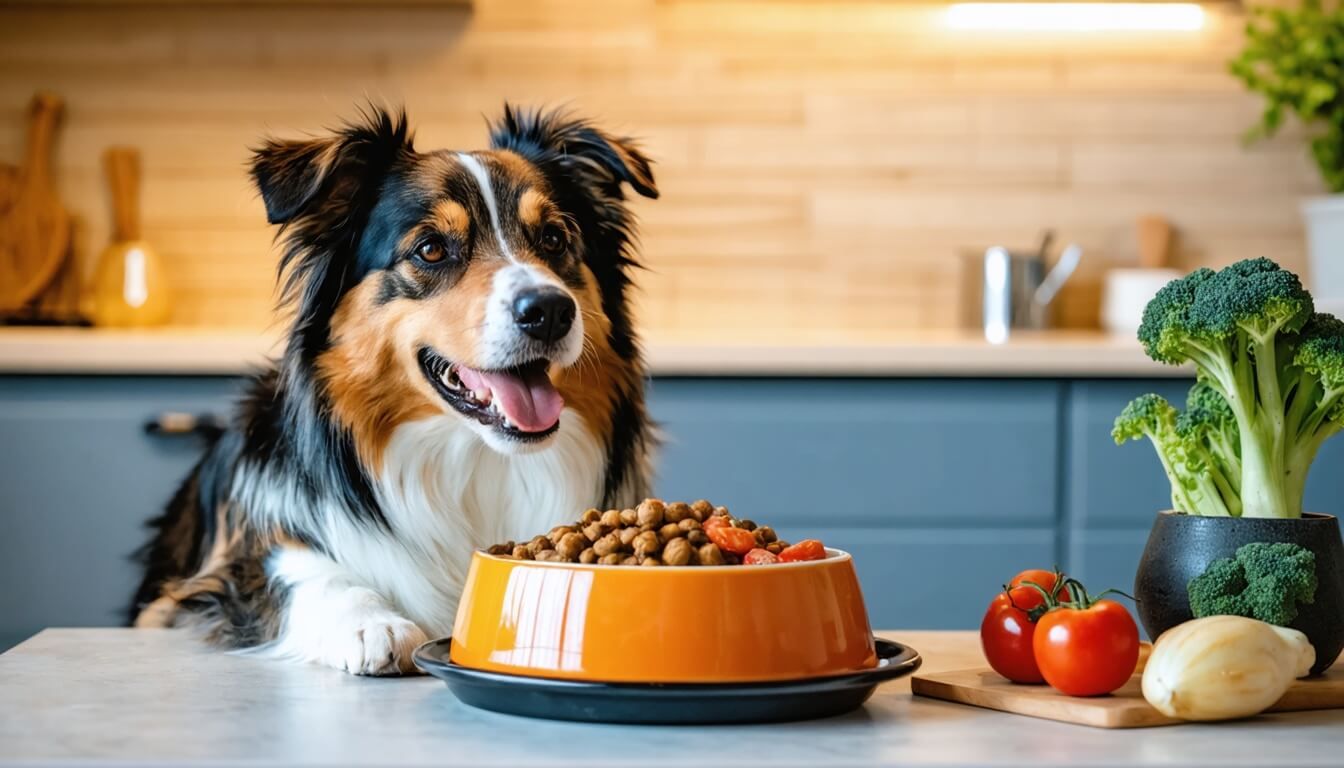
Implementing Probiotics Effectively
To get the most from probiotics, consistency is key. Here’s how to introduce them effectively:
Start Gradually
Introduce probiotics slowly to give your dog’s digestive system time to adjust. Begin with a smaller dose than recommended and increase it gradually over several days.
Timing Matters
Give probiotics at the same time each day, ideally with meals, to support routine and improve absorption.
Monitor Progress
Track your dog’s symptoms and behaviour. Most dogs show improvement within 4–6 weeks of consistent use, though some may respond sooner.
Supporting Strategies for IBS Management
While probiotics are a powerful tool, they work best as part of a broader approach to fibre and probiotics in dog nutrition. Consider these additional strategies:
Diet Modifications
Work with your vet to identify any food sensitivities and create a suitable diet plan. Many dogs benefit from limited-ingredient or easily digestible foods.
Stress Management
Stress can trigger or worsen IBS symptoms. Maintain a calm environment and consistent routine. Some dogs may benefit from calming supplements to help manage anxiety-related digestive issues.
Regular Exercise
Moderate, consistent exercise supports healthy digestion and reduces stress. Tailor activity levels to your dog’s age and physical condition.
When to Seek Professional Help
While natural solutions for better health with probiotics can be effective, they’re not a substitute for veterinary care. Contact your vet if your dog experiences:
- Severe or persistent diarrhoea
- Blood in stools
- Significant weight loss
- Lethargy or loss of appetite
- Vomiting
These signs may indicate a more serious condition that requires immediate medical attention. For more information, refer to this Spruce Pets article on IBS in dogs.
Long-term Management and Monitoring
Managing IBS is an ongoing journey that requires patience and regular monitoring. Keep a simple diary of your dog’s symptoms, noting any changes or triggers. This can help your vet adjust the treatment plan as needed.
Remember, while probiotics can significantly improve symptoms, every dog is different. Some may benefit from daily use, while others might only need them during flare-ups.
Important Note: The information provided here is for general guidance only and should not replace professional veterinary advice. Always consult your vet before starting any new treatment for your dog’s IBS symptoms.


