

Understanding bloat: the emergency every owner must recognise
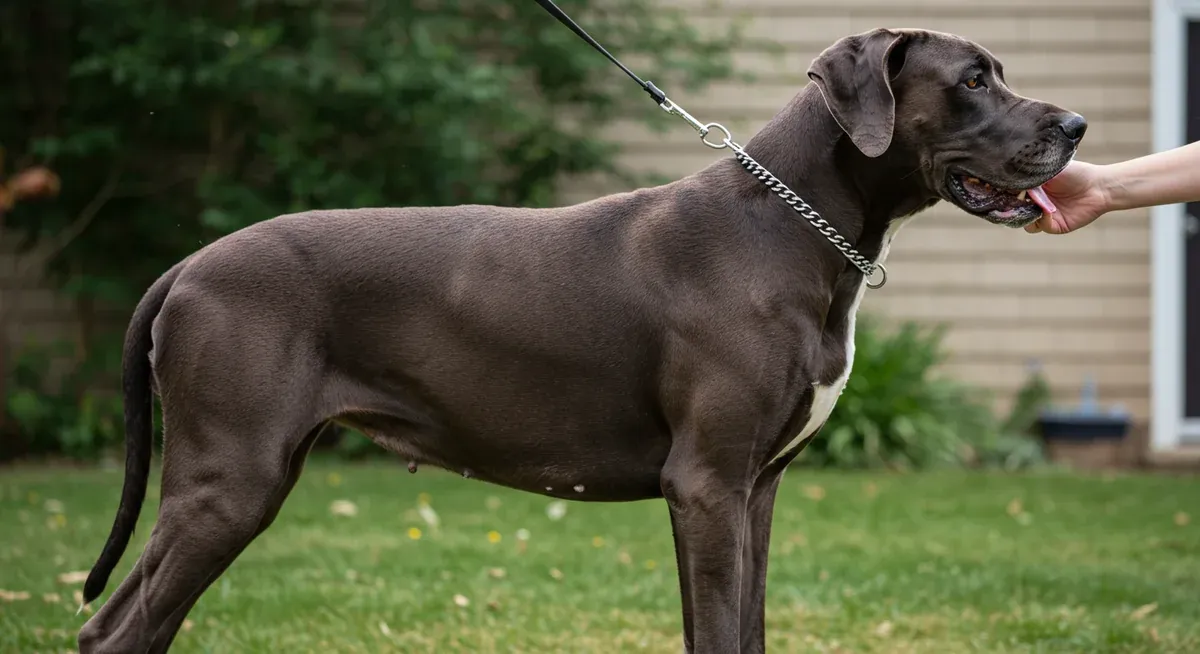
You might notice your Great Dane pacing restlessly after dinner, trying to vomit but bringing nothing up. This could be the start of bloat, technically called Gastric Dilatation Volvulus (GDV), and it's the most critical emergency these dogs face.
The deep chest anatomy that gives Great Danes their elegant silhouette also makes them particularly vulnerable to this life-threatening condition. When bloat occurs, the stomach twists and cuts off blood flow, causing shock that can be fatal within hours.
Watch for these warning signs: unsuccessful retching, a visibly swollen or distended abdomen, restlessness, excessive panting, and pacing. Sometimes owners describe their dog looking at their belly or appearing uncomfortable in ways they can't quite explain.
Prevention centres on feeding management. Rather than one large meal, offer smaller portions throughout the day. Avoid vigorous exercise immediately after eating, and consider discussing prophylactic gastropexy surgery with your vet. This procedure, often performed during spay or neuter surgery, tacks the stomach in place to prevent twisting. Treatment for bloat averages around $3,500, making prevention particularly valuable. Probiotics can also help reduce bloating and support overall digestive health in Great Danes.
Joint problems that develop over time
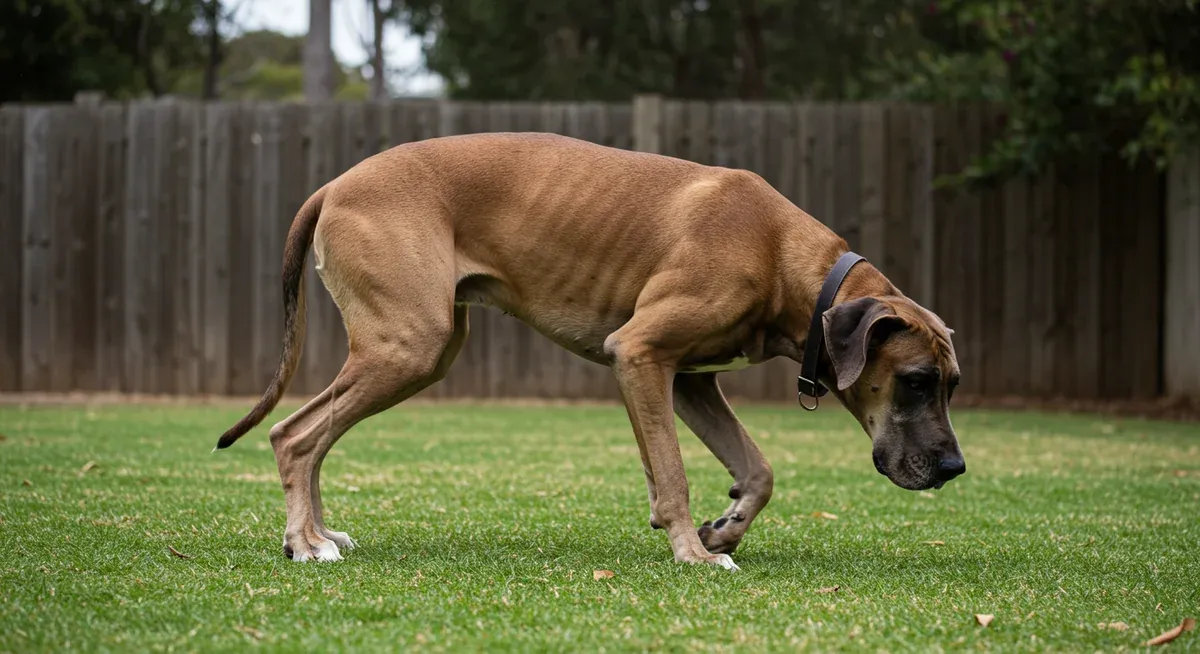
Many Great Dane owners first notice something's wrong when their dog struggles to get up from lying down or develops an unusual "bunny hopping" gait in the back legs. These signs often point to hip or elbow dysplasia, genetic malformations where the joints don't fit together properly.
Hip dysplasia affects the ball-and-socket joint of the hip, while elbow dysplasia involves malformation of the elbow joint. Both conditions lead to arthritis, pain, and mobility issues that worsen over time. You might also notice reluctance to exercise, lameness that comes and goes, or difficulty with stairs.
Weight management becomes crucial once dysplasia develops. Every extra kilogram puts additional stress on already compromised joints. Controlled exercise helps maintain muscle strength without overloading the joints. Swimming, when available, provides excellent low-impact exercise.
Joint supplements containing glucosamine and chondroitin, such as Cosequin or Dasuquin, can support cartilage health. Many owners report seeing improvements in mobility within 4-6 weeks of starting supplementation. Severe cases may require surgical intervention, but early management often helps dogs maintain good quality of life for years.
Heart conditions that affect gentle giants
Have you noticed your dog coughing more, especially at night or first thing in the morning? This could signal heart disease, which affects these large dogs more frequently than many owners realise.
Dilated Cardiomyopathy (DCM) involves enlargement and weakening of the heart muscle, leading to heart failure over time. Tricuspid Valve Disease causes similar symptoms by allowing blood to flow backward through the heart, creating fluid buildup and breathing difficulties.
Early signs include coughing, lethargy, difficulty breathing during normal activities, and sometimes abdominal swelling. These symptoms often develop gradually, making them easy to dismiss as normal aging. However, early detection significantly improves management options.
Regular cardiac screening, including echocardiograms, helps catch these conditions before symptoms become severe. Many dogs with heart disease live comfortably for years with proper medication to support heart function and manage symptoms. The key lies in recognising changes early and working closely with your veterinarian to monitor progression.
Cancer risks and warning signs
When a Great Dane develops persistent lameness, especially in a leg bone, osteosarcoma (bone cancer) becomes a serious concern. This aggressive cancer affects giant breeds disproportionately, making early recognition crucial.
Unlike temporary lameness from overexertion or minor injury, osteosarcoma typically causes lameness that doesn't improve with rest. You might notice swelling around the affected bone, and your dog may show obvious pain when the area is touched. The lameness often worsens over time rather than improving.
Don't wait to see if lameness resolves on its own. Persistent limping, especially when accompanied by swelling or obvious pain, warrants immediate veterinary evaluation. While treatment often involves amputation and chemotherapy, with costs averaging around $900, early intervention provides the best outcomes.
Other cancers can also affect these dogs, so stay alert for unexplained lumps, bumps, or changes in behaviour. Regular veterinary checkups help catch problems early when treatment options are most effective.
Neurological conditions affecting movement
Sometimes owners describe their dog as looking "wobbly" or unsteady, particularly in the hindquarters. This could indicate Wobbler Syndrome, a condition where instability in the neck vertebrae compresses the spinal cord.
Cervical Spondylomyelopathy, the technical name for Wobbler Syndrome, causes progressive weakness and coordination problems. Dogs might stumble, have difficulty walking straight lines, or show weakness in their hind limbs. The condition typically worsens gradually.
Early recognition allows for better management options. Some dogs respond well to medical management with anti-inflammatory medications and restricted activity. More severe cases may require surgical intervention to stabilise the affected vertebrae and relieve spinal cord compression.
Thyroid and other hormonal issues
Weight gain despite normal eating habits, increased lethargy, and skin problems might signal hypothyroidism. This condition occurs when the thyroid gland doesn't produce enough hormone to maintain normal metabolism.
Hypothyroidism develops gradually, making it easy to attribute symptoms to aging or reduced activity. However, blood tests can definitively diagnose the condition, and treatment with daily thyroid hormone replacement typically restores normal energy and weight.
Addison's disease, involving insufficient adrenal hormone production, can cause weakness, vomiting, and general malaise. While less common than thyroid problems, it's worth considering when dogs show unexplained weakness or digestive issues.
Preventive care that makes a difference
Regular veterinary checkups become even more important with giant breeds. Annual examinations should include orthopedic evaluation and cardiac screening. Many conditions affecting these dogs benefit enormously from early detection.
Nutrition plays a crucial role in preventing problems. Choosing the right dog food for your Great Dane's nutritional needs becomes essential, with large-breed formulas like Hill's Science Diet Large Breed, Royal Canin Giant Adult, or Blue Buffalo Life Protection Large Breed providing balanced nutrition that supports healthy growth without encouraging too-rapid development that stresses bones and joints.
Exercise should be moderate and controlled, especially during puppyhood when bones and joints are still developing. Avoid forced exercise or activities that encourage jumping until growth plates close, typically around 18-24 months.
Working with reputable breeders who perform health screening helps reduce the likelihood of inherited conditions. Look for hip and elbow scoring, cardiac clearances, and genetic testing for conditions like inherited myopathy.
Research shows that Great Danes typically live 7-10 years, with many health challenges contributing to this relatively short lifespan. However, attentive care, early intervention, and strong veterinary relationships can help maximise both the length and quality of life for these gentle giants.


