

Many Collie owners worry when they first learn about the breed's health predispositions. The good news is that understanding these conditions early gives you significant power to prevent, detect, and manage them effectively. Research shows that proactive owners who implement genetic testing and regular screening catch problems months or even years before they become serious.
When it comes to Collie health, knowledge truly is your best defence. These dogs face seven primary health challenges, but each one becomes far more manageable when you know what to watch for and how to respond.
The critical genetic conditions every owner must know
Three genetic conditions stand out as absolute priorities for every Collie owner. Degenerative Myelopathy typically appears around eight years old, starting with subtle hind leg weakness that progresses to paralysis. You might notice your dog dragging their paws slightly or having trouble standing up from lying down.
Collie Eye Anomaly presents a different challenge because it's often invisible in early stages. This congenital disorder affects the retina and blood vessels, potentially causing blind spots or complete vision loss. The condition is present from birth, making genetic testing of breeding dogs essential.
Progressive Retinal Atrophy follows a predictable pattern, beginning with night blindness before progressing to complete vision loss. Many dogs adapt remarkably well to gradual vision changes, but early detection allows you to make home modifications that keep them safe and confident.
The medication sensitivity that could save your dog's life
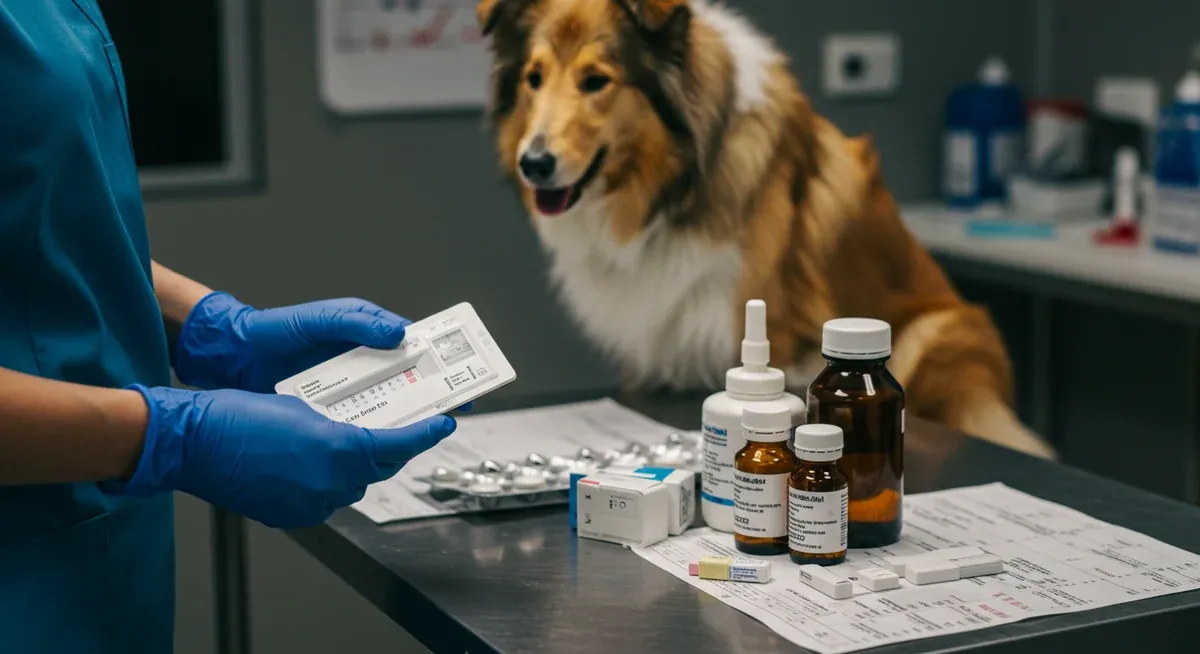
Multidrug sensitivity deserves special attention because it affects between 50% and 75% of all Collies. This genetic mutation makes certain common medications potentially fatal, including ivermectin (found in some heartworm preventatives) and loperamide (the active ingredient in many anti-diarrheal medications).
The mutation affects how your dog's body processes these drugs, allowing them to build up to toxic levels in the brain. What makes this particularly dangerous is that these medications are often considered routine and safe for other breeds.
DNA testing for MDR1 mutation costs around $50-100 and provides information that every veterinarian treating your dog needs to know. Keep a copy of the results with your dog's medical records and inform any new veterinary practice about the status immediately.
Joint and mobility challenges in growing dogs
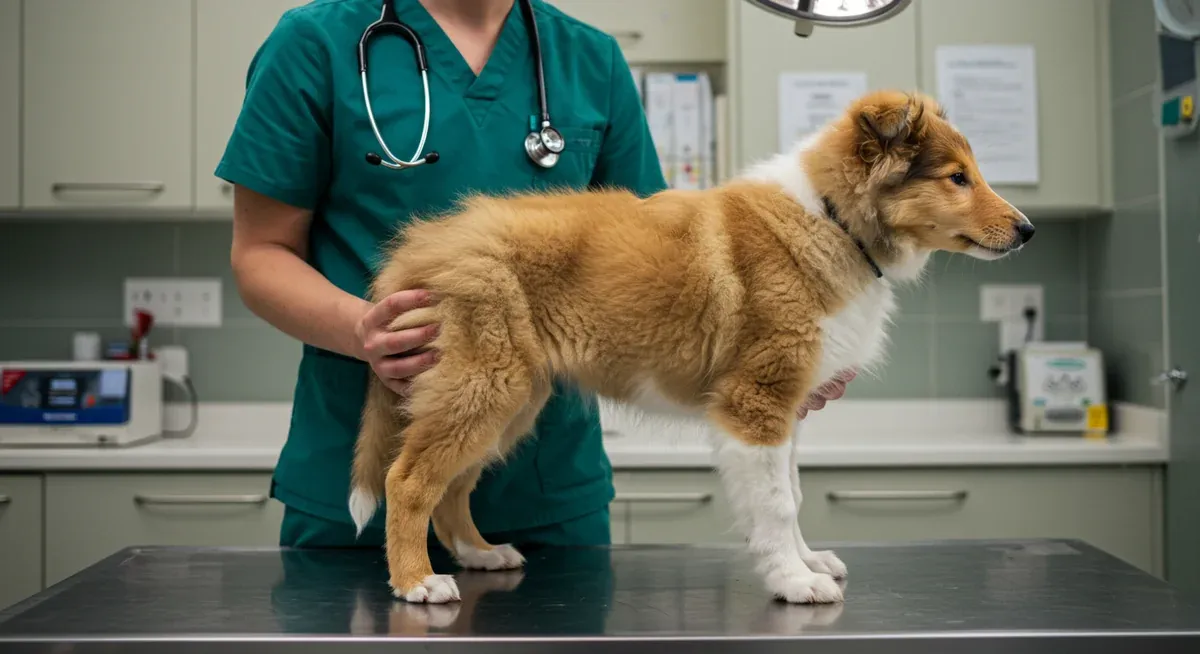
Hip dysplasia affects fewer than 3% of these dogs, making it less common than in many breeds, but the impact on affected dogs remains significant. This genetic malformation of the hip joint leads to arthritis, pain, and mobility problems that worsen over time without proper management.
Osteochondritis Dissecans presents a more immediate concern for puppy owners. This developmental joint disease typically appears between six and nine months of age, during periods of rapid growth. The condition occurs when cartilage separates from the underlying bone, causing sudden lameness and pain.
Prevention focuses heavily on controlled growth during puppyhood. Overfeeding or providing calcium supplements unless specifically prescribed by your veterinarian can contribute to developmental joint problems. Research indicates that maintaining appropriate growth rates significantly reduces OCD risk.
Skin and muscle conditions requiring early intervention
Dermatomyositis often appears in young dogs as an autoimmune inflammatory disease affecting skin, muscles, and blood vessels. You'll typically notice crusty skin lesions first, followed by patchy hair loss, ulcers, and areas of redness or scaling.
This inherited condition has no cure, but early veterinary intervention can manage symptoms effectively. Some lesions resolve spontaneously, while others require ongoing treatment with medications like corticosteroids or immunosuppressants under strict veterinary supervision.
The key with dermatomyositis is recognising it quickly. Many owners initially mistake the skin changes for allergies or minor irritations, but prompt veterinary evaluation leads to much better outcomes than delayed treatment.
Creating your prevention and monitoring plan
Genetic testing forms the foundation of prevention for most of these conditions. Companies like Embark or Wisdom Panel offer comprehensive screening panels for $150-200 that test for DM, MDR1, CEA, and PRA simultaneously. Request these results from breeders before purchasing a puppy, or test your current dog to understand their risk profile.
Regular veterinary examinations should include annual orthopedic and ophthalmic evaluations. Many conditions show subtle early signs that trained professionals catch months before owners notice problems. Schedule these comprehensive check-ups even when your dog appears perfectly healthy.
Diet management during puppyhood prevents several conditions. Feed a balanced diet formulated specifically for large breed puppies, avoiding overfeeding and calcium supplementation unless prescribed. Most veterinary nutritionists recommend controlled portions rather than free-feeding to maintain appropriate growth rates.
Treatment approaches and quality of life management
Many of these conditions require lifelong management rather than cure, but dogs can maintain excellent quality of life with proper care. For Degenerative Myelopathy, structured exercise and physical therapy slow progression significantly. Dog wheelchairs from companies like Walkin' Wheels ($300-600) allow affected dogs to remain mobile and active.
Joint supplements containing glucosamine and chondroitin support dogs with hip dysplasia or OCD. Products like Cosequin or Dasuquin typically cost $30-60 monthly but provide measurable benefits when used consistently over time.
Vision-related conditions require environmental modifications rather than medical treatment. Dogs adapt remarkably well to vision loss when owners maintain consistent furniture placement and use verbal cues during activities.
Understanding these health challenges shouldn't discourage potential or current owners. Instead, this knowledge empowers you to provide the best possible care throughout your dog's life. Early detection, genetic testing, and proactive management transform potentially serious conditions into manageable aspects of responsible ownership.


