

You might notice your Bouvier des Flandres looking a bit scruffy between grooming appointments, or perhaps you've discovered some stubborn mats forming despite your best efforts. This robust working breed comes with a coat that's both a blessing and a responsibility. Their distinctive double-layered coat provides excellent protection from weather, but it demands consistent, breed-specific care to keep your dog comfortable and healthy.
Many Bouvier des Flandres owners find themselves surprised by how much their dog's grooming needs change as they mature. That soft puppy coat gradually transforms into something quite different, and understanding this transition makes all the difference in your grooming approach.
Understanding your Bouvier's unique coat
The Bouvier des Flandres develops their full adult coat by around 18 months, and this milestone changes everything about grooming. That soft puppy fluff gives way to a crisp, harsh outer coat paired with a dense, soft undercoat underneath. When you run your fingers through a healthy adult coat, it should feel distinctly crisp and actually make a slight sound when rubbed between your fingers.
This double-coat system works like natural insulation. The wiry outer layer repels water and debris, while the soft undercoat provides warmth. While these dogs are considered low-shedding compared to many breeds, their coat structure means that loose hair often gets trapped rather than falling out naturally. This is why regular brushing becomes so crucial for preventing mats and maintaining skin health.
The texture change from puppy to adult coat brings good news: that crisp, harsh adult coat is actually less prone to matting than the soft puppy coat. However, this only holds true if you maintain the proper texture through appropriate grooming techniques.
Essential brushing and combing techniques
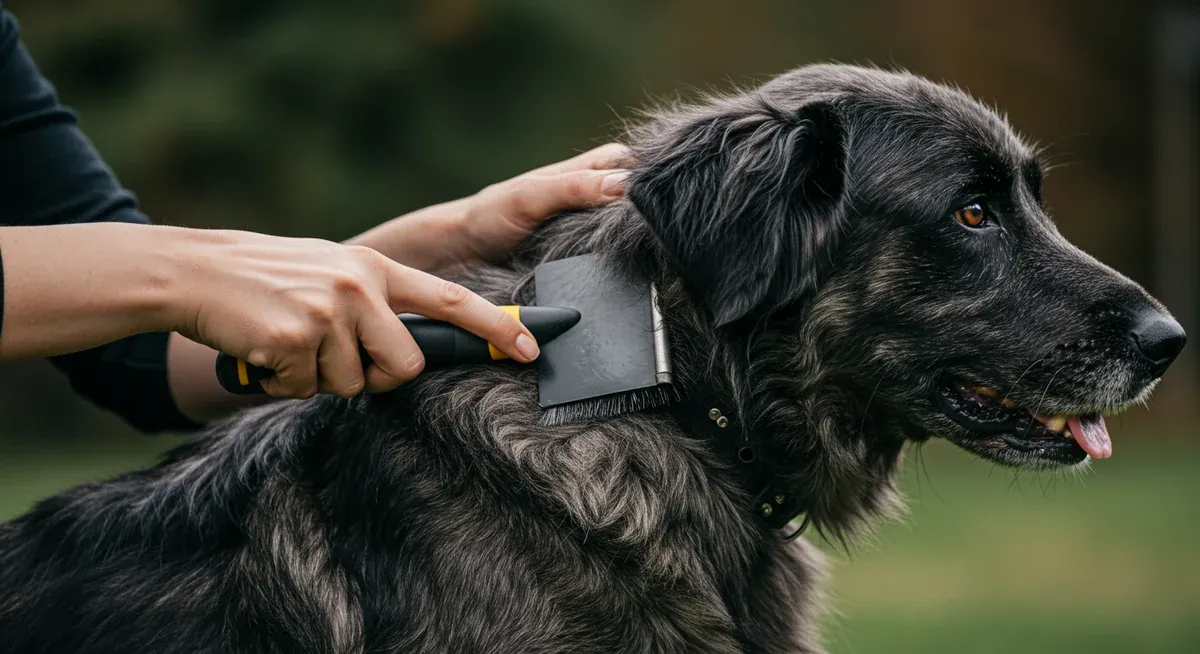
Weekly brushing forms the foundation of Bouvier coat care, though you'll want to increase frequency during seasonal coat changes or if your dog spends lots of time outdoors. The key lies in working systematically through the coat with the right tools. A slicker brush paired with a metal comb handles most maintenance, while an undercoat rake becomes invaluable during shedding seasons.
Work in sections, always brushing down to the skin level rather than just skimming the surface. Pay particular attention to high-risk areas where mats commonly form: behind the ears, under the front and back legs, around the collar area, and anywhere the coat rubs against itself during movement. These spots can develop tight mats surprisingly quickly if overlooked.
When you encounter mats, address them immediately before they tighten further. Small mats can often be worked out gently with your fingers or a mat splitter, but severe matting may require professional help to avoid accidentally injuring the skin underneath. The goal is always prevention through regular maintenance rather than dealing with problem mats after they've formed.
Bathing without compromising coat quality
Bathing frequency matters significantly for maintaining that desired harsh coat texture. Most Bouviers need baths every 3-4 months under normal circumstances, or when they've gotten particularly dirty from outdoor adventures. Over-bathing strips the natural oils that help maintain the coat's protective qualities and can actually soften that crisp texture you want to preserve.
Choose a mild dog shampoo specifically formulated for double-coated breeds, avoiding human shampoos that can irritate sensitive skin. During the washing process, work the shampoo thoroughly through both coat layers, paying attention to areas that tend to hold dirt and odours.
Drying requires patience and thoroughness. Towel dry as much moisture as possible, then ensure your dog is completely dry down to the skin level. Incomplete drying can lead to skin issues, particularly in that dense undercoat layer. Professional groomers often use heavy-duty dryers that help fluff the coat, but thorough air drying works well at home if you have the time.
Trimming and shaping for breed character
Professional grooming every 6-8 weeks helps maintain the Bouvier des Flandres' characteristic square profile and overall breed appearance. However, the approach to trimming makes all the difference in preserving coat quality. Scissoring with thinning shears maintains the natural harsh texture, while clippers can soften the coat over time.
The breed's distinctive look requires specific attention to proportions. The "fringe" of hair between the eyes should never be trimmed shorter than the nose length. This detail is essential for achieving that authentic Bouvier expression. When shaping the body, aim for a balanced, square silhouette by trimming excess hair on both the front and rear sections.
Don't overlook the feet and pads during trimming sessions. Hair between the toes and pads needs regular attention with small toe scissors. Neglecting this area can lead to painful mats that actually cause limping. Many owners are surprised to discover that a suddenly limping dog simply has uncomfortable hair mats between their toes.
Managing common grooming challenges
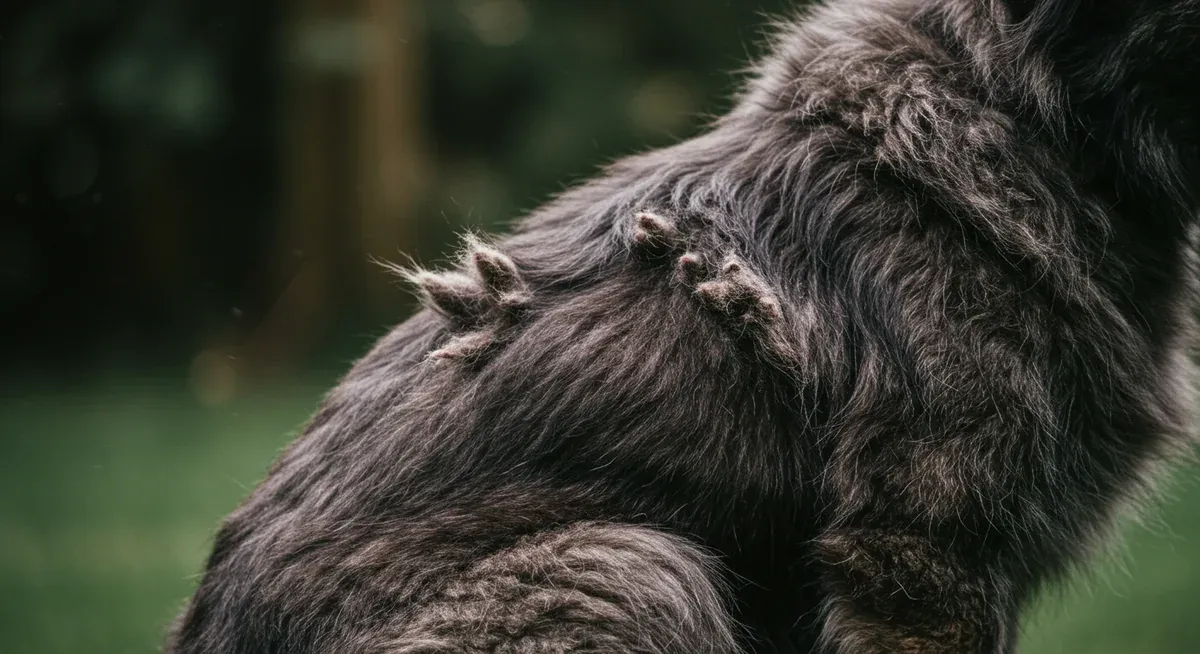
Mats and tangles represent the most frequent challenge for Bouvier owners. These typically develop in predictable locations, making prevention straightforward once you know where to focus attention. Regular brushing remains your best defense, but when mats do form, immediate action prevents them from becoming serious problems.
Skin issues sometimes become apparent during grooming sessions. Redness, rashes, unusual lumps, or areas of irritation warrant veterinary evaluation. Regular hands-on grooming actually provides an excellent opportunity for early detection of health concerns that might otherwise go unnoticed.
Ear infections pose a particular concern for this breed. Weekly ear cleaning with a vet-approved cleaner helps prevent problems, but watch for warning signs like unusual odour, discharge, or persistent head shaking. These symptoms suggest a developing infection that needs professional attention.
Essential tools and products
Quality grooming tools make the entire process more effective and enjoyable for both you and your dog. Basic equipment includes a slicker brush, metal comb, and undercoat rake for regular maintenance. For trimming, invest in good thinning scissors for body work, straight scissors for detail areas, and small toe scissors specifically for feet.
Product selection matters for maintaining coat health. Mild, dog-specific shampoos from brands like Isle of Dogs or Earthbath work well for occasional baths. For ear care, veterinary-recommended cleaners such as Epi-Otic or Zymox provide reliable options for weekly maintenance.
Most basic grooming tools cost around $10 each, making the initial investment quite reasonable. Professional grooming sessions vary by location but represent a worthwhile expense for maintaining proper breed profile and catching potential issues early.
Building positive grooming habits
Starting grooming routines early makes the entire process easier throughout your dog's life. Puppies who learn to accept and even enjoy grooming sessions become much more cooperative adults. Even if you're working with an older dog, patience and positive associations can transform grooming from a struggle into a bonding experience.
Regular grooming sessions provide valuable opportunities for health monitoring. Running your hands through the coat, checking ears, examining feet, and looking at skin condition becomes second nature when incorporated into routine maintenance. Many health issues are caught early simply because owners notice changes during regular grooming.
Remember that even with diligent home care, periodic professional grooming ensures proper coat maintenance and breed profile. Professional groomers bring expertise in breed-specific techniques and can often spot developing issues before they become serious problems. A balanced diet also supports coat health from the inside out, as poor nutrition often shows up as a dull, brittle coat regardless of external care.


